Bedding · Sleep comfort
Latex Layers and Sleep Feel: Understanding Resilience, Firmness, and Airflow
A latex mattress topper can change the way a bed yields, rebounds, and holds warmth. Understanding how firmness, thickness, construction, and ventilation work together makes it easier to judge whether a layer will refine an existing mattress—or simply add another variable.
A layer that changes the conversation
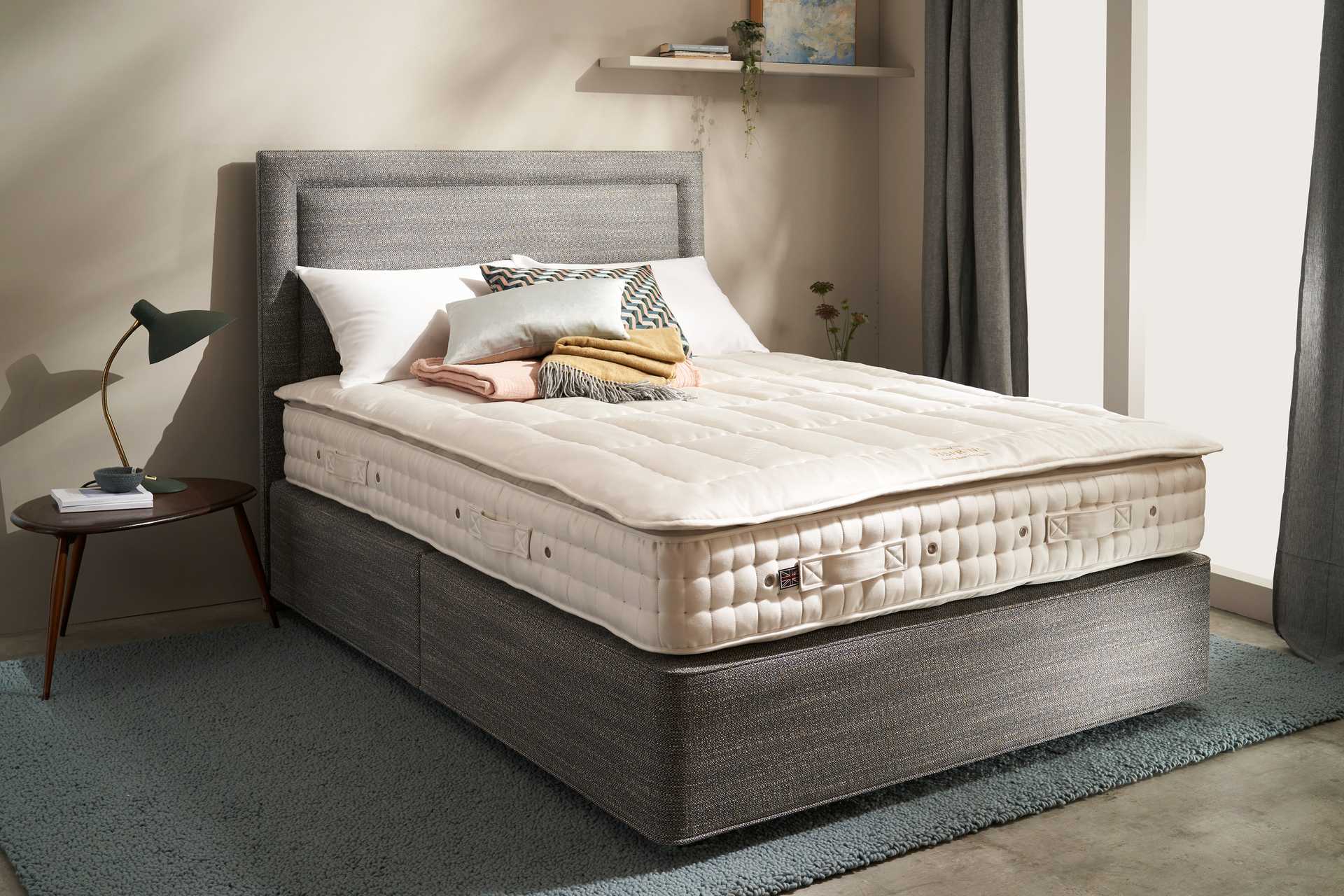
A mattress is not a single sensation. It is a system: the support core, comfort layers, surface fabric, bedding, and the sleeper all contribute to the experience. A topper sits near the point of contact, so even a relatively thin layer can alter how pressure is distributed and how quickly the surface responds when someone moves.
Latex has a reputation for buoyancy. Instead of slowly molding around the body, as some foams do, it tends to compress under pressure and recover promptly when that pressure shifts. The result can feel springy, lifted, or gently cushioning, depending on the latex formulation and the layers beneath it. That general description is useful, but it is not a guarantee of a particular feel: two latex mattress toppers can behave quite differently.
Thickness, firmness, density, latex type, and cover construction all matter. So does the mattress underneath. A soft topper on a supportive mattress may create a more cushioned surface. The same topper placed over a deeply worn mattress may conform to its hollows rather than correct them. The first step is therefore not choosing a material in isolation. It is identifying what the current sleep surface does well—and what it does not.
What resilience means in bed
Resilience is the tendency of a material to return toward its original shape after compression. In everyday terms, it describes rebound. Press a hand into a resilient layer and it pushes back; lift the hand and the indentation recovers quickly. Latex’s elastic response is one reason people often describe it as buoyant rather than enveloping.
That rebound can influence how easy it feels to change position. A surface that recovers promptly may feel less restrictive to someone who turns frequently during the night. It can also reduce the sensation of sinking deeply into the bed. For some sleepers, that is welcome: the body feels cushioned while remaining relatively easy to reposition. Others may prefer a slower, more contouring sensation.
Resilience should not be confused with firmness. A layer can be soft and resilient, compressing readily but springing back quickly. Another can feel firmer while still returning to shape with an elastic response. Firmness describes how much resistance a material offers as it is compressed; resilience describes how it responds and recovers. Both contribute to the overall sleep feel, but they answer different questions.
Nor does rebound alone tell us whether a bed is supportive. Support is about how well the complete sleep system helps maintain a comfortable, reasonably aligned position. A topper can change the surface sensation, but it cannot reliably repair a damaged support core or erase a substantial sag. If the mattress has a persistent depression, unstable edges, or a broken component, adding a new layer may conceal the problem briefly without solving it.
Firmness is a relationship, not a label
Firmness scales can help compare options, but they are not universal instruments. One maker’s “medium” may feel different from another’s, and perception shifts with body size, shape, sleep position, and the mattress under the topper. A label is a starting point, not a prediction.
A softer latex layer generally compresses more readily at the surface. It may add cushioning around prominent pressure areas, such as the shoulders or hips, particularly when the mattress beneath feels unyielding. A firmer layer may change the immediate surface response without producing the same degree of sink. But neither description should be mistaken for a clinical promise or a substitute for individualized assessment.
The interaction between layers is decisive. A topper rests on a foundation that already compresses. If both layers yield substantially, the sleeper may experience more sink than expected. If the mattress is firm and stable, a softer topper may provide a more noticeable comfort adjustment. A firm topper placed over a soft, worn mattress can feel inconsistent: the upper layer resists, while the underlying mattress continues to dip.
It is also useful to distinguish pressure relief from spinal alignment. Cushioning can reduce a hard or sharp contact sensation, yet excessive sink may leave the body in an uncomfortable position. The aim is not maximum softness or maximum firmness. It is a surface that feels comfortable while the underlying mattress continues to provide appropriate support for the sleeper.
Thickness changes the scale of the adjustment
Thickness affects how much the topper can influence the bed’s feel. A thinner layer tends to make a more restrained adjustment, though the exact effect depends on firmness and construction. A thicker layer gives the body more material to compress and may create a more pronounced change in cushioning and contour.
More height is not automatically better. A thick, soft layer can make it harder to move across the bed or may alter the way the sleeper settles into the mattress. It can also affect fitted-sheet depth, mattress-protector fit, and the stability of the bedding stack. A modest change may be preferable when the existing mattress is already comfortable except for one surface-level concern.
Before deciding, consider the bed as a whole: the mattress height, the fitted sheet’s pocket depth, the protector, and the sleeper’s ease of getting in and out. Check dimensions and care instructions as well. A topper that shifts, bunches, or cannot be maintained in a practical way may become an irritation, however appealing its material feels at first.
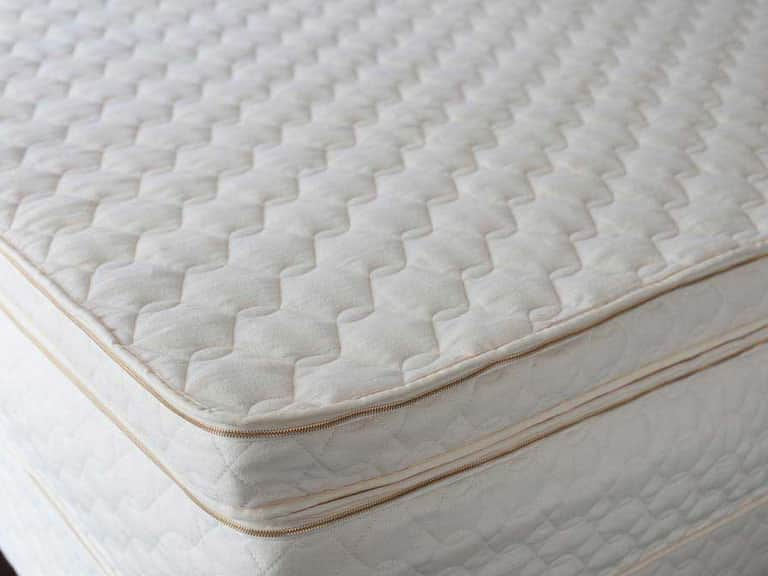
Latex toppers may also combine a latex insert with a textile cover or quilted outer layer. The cover can soften or modify the sensation at the surface, while adding height and changing how the layer handles moisture and warmth. Product descriptions should therefore be read as descriptions of the full construction, not just the latex core.
Airflow and the question of warmth
Temperature comfort depends on more than the material directly beneath the sleeper. Room climate, pajamas, sheets, mattress construction, body heat, and personal sensitivity all have a role. Still, airflow through and around a topper can influence how warm or enclosed the sleep surface feels.
Latex’s open, elastic structure can allow air to move through the material, and many latex constructions use perforations or other forms of ventilation. The precise design varies, so “latex” alone does not tell the whole thermal story. A dense layer, a substantial cover, a waterproof protector, or tightly woven bedding can affect how readily heat and moisture move away from the body.
Breathability is sometimes used loosely to mean “cool.” More carefully, it refers to a material’s capacity to allow air or moisture vapor to pass through. Whether that translates into a cooler night depends on the conditions around it. Air circulation can help limit a trapped, clammy sensation, but it cannot guarantee a particular temperature or resolve every cause of night sweating.
Textiles are part of the system. A fitted sheet with a smooth, breathable weave may preserve a more direct sense of the latex surface, while heavier layers can change the feel and microclimate. Mattress protectors are useful for hygiene and protection, but their construction can also influence airflow. If warmth is the central concern, assess the full bedding setup before concluding that the topper alone is responsible.
Latex types and construction details
Latex is not one uniform recipe. Natural latex is made from rubber-tree sap; blended and synthetic forms use different proportions or materials. Processing methods also vary. Dunlop and Talalay are commonly used names for manufacturing approaches, but those labels do not by themselves establish an exact firmness, quality level, or suitability for a particular sleeper. Specifications and construction details matter more than shorthand.
When evaluating a topper, look for clear information about the latex layer’s thickness, firmness options, composition, cover materials, and care requirements. Ask whether the listed height refers to the insert alone or the finished product. If certifications are mentioned, check what they certify and which components they cover. A certification can provide useful information about defined standards; it is not a universal guarantee of comfort, durability, or environmental impact.
Natural-material layers may also be paired with wool or cotton. These components can change the surface feel and influence moisture management, but they require their own care considerations. A quilted cover, for example, is not the same thing as an uncovered latex insert. Read the construction as a whole and consider whether it matches the way you prefer a bed to feel and the maintenance you are prepared to do.
One example of a layered design is the Savvy Rest Harmony Latex Topper, described as a three-inch natural Talalay latex insert inside a quilted organic cotton cover with wool. Its listed finished height is approximately four inches. That combination illustrates why the latex core and the surrounding materials should be considered together: the sleep feel comes from the assembly, not from the word “latex” alone.
Match the layer to the mattress beneath it
A useful assessment begins with the existing bed. Note where it feels too firm, too soft, warm, uneven, or difficult to move on. Then consider whether the problem is limited to the comfort surface or points to a deeper structural issue. A topper is most likely to help when the mattress remains sound and the desired change is modest and specific.
- If the surface feels too hard: a softer, cushioning layer may reduce the immediate firmness sensation. Consider how much additional sink you want and whether the mattress remains supportive underneath.
- If the bed feels too soft or slow to respond: a resilient latex surface may feel more buoyant, but it cannot make a failing mattress structurally sound.
- If the bed feels warm: examine sheets, protectors, blankets, and room conditions alongside the topper’s cover and ventilation. No single material controls the entire sleep climate.
- If pressure is concentrated at certain points: assess sleep position, body proportions, and the mattress’s existing comfort layers. A topper may alter surface cushioning, but the result is individual.
- If the mattress sags or feels uneven: investigate the mattress and its foundation before adding a layer. A topper may follow the same contour rather than level it.
These are decision prompts, not rules. People who share a bed may have different comfort preferences, movement patterns, or sensitivity to warmth. The same layer can feel different on opposite sides if the underlying mattress is worn unevenly. Where possible, test the full arrangement under realistic conditions and understand the return, trial, and warranty terms before making a change.
A practical evaluation, without guesswork
Before shopping or rearranging bedding, spend a few nights noticing how the current mattress behaves. Record whether discomfort appears while falling asleep, after a position change, or on waking. Note where the body contacts the surface and whether the bed feels different at the center, edges, or another person’s side. A short, consistent record is more useful than relying on a single morning impression.
Next, inspect the mattress and foundation. Look for visible depressions, broken seams, uneven support, or movement that seems to come from the base rather than the comfort layers. Confirm the manufacturer’s guidance on compatible toppers and protectors. Also check whether the mattress is still under warranty; adding or altering layers may affect terms, depending on the maker’s conditions.
If a latex topper is a plausible match, compare firmness descriptions cautiously and prioritize measurable details. Confirm the finished dimensions, thickness, cover materials, and care instructions. Consider the complete height of the bed and whether existing sheets will fit securely. A layer that suits the body but slips or forces bedding to come loose is not a successful adjustment.
Give a new arrangement time to reveal its everyday character, while observing any stated trial conditions. Initial impressions can be shaped by expectation and by the contrast with the previous surface. Comfort is personal, and no label or specification can predict it perfectly. If pain or persistent sleep problems are involved, seek appropriate professional guidance rather than treating a topper as a medical intervention.
Care and long-term performance
Latex may be resilient, but all bedding layers are affected by use, handling, and their surroundings. Follow the care instructions for the specific topper. Some covers can be removed; others should not be washed or dismantled. Avoid assuming that a material’s natural origin makes it suitable for machine washing, soaking, or direct high heat.
A breathable protector can help guard against spills and body oils, though its construction may affect the sleep surface. Keep the topper properly aligned, and check periodically for bunching, compression, or changes in comfort. When rotating or moving it, follow the maker’s recommendations and handle it in a way that does not strain the cover or seams.
There is no single lifespan that applies to every latex topper. Use intensity, material quality, thickness, care, and the mattress below all shape how a layer performs over time. A gradual change in resilience or comfort may be difficult to notice night by night. Periodic attention to the bed’s feel can help distinguish normal preference changes from a layer that no longer serves its purpose.
The useful question is not simply “Is latex comfortable?”
Latex resilience, mattress firmness, and bedding airflow are connected, but none offers a complete answer on its own. Resilience describes rebound; firmness describes resistance to compression; airflow contributes to the way heat and moisture move through the sleep system. Thickness and construction determine how strongly those qualities are felt, while the underlying mattress sets the conditions in which the topper operates.
For one sleeper, a springy layer may provide welcome cushioning without a deep, enveloping feel. For another, the same quick response may be less appealing than slower contouring. The best match is not the material with the most impressive description. It is the construction that addresses a clearly identified comfort preference while working with a sound mattress, suitable bedding, and realistic care expectations.
That is the quiet value of understanding the layers: it replaces broad promises with better questions. How much should the surface yield? How quickly should it recover? Does the bed need more cushioning, a different response, or a structural repair? And will the cover, sheets, and room conditions support the desired sleep feel? Answer those questions first, and latex becomes easier to evaluate—not as a cure-all, but as one considered component of a larger bedding system.
Frequently asked questions
Does a latex topper make a mattress firmer?
Not necessarily. A topper changes the surface feel, and its effect depends on its firmness and thickness as well as the mattress beneath it. A resilient or firmer layer may feel more buoyant, but it cannot reliably correct a mattress that is sagging or structurally worn.
Is latex always cooler than other topper materials?
No material guarantees a cool night. Latex construction can allow airflow, but the cover, protector, sheets, room temperature, and individual heat sensitivity also matter. Consider the complete bedding setup rather than relying on a material name alone.
What is the difference between resilience and firmness?
Firmness is the resistance a layer offers as it is compressed. Resilience is how readily it recovers after that pressure is removed. A layer can feel soft yet rebound quickly, or feel firm while still returning to shape.
Can a topper fix a sagging mattress?
A topper may temporarily change the surface sensation, but it generally follows the shape of the mattress underneath. If the mattress or foundation is uneven or damaged, assess that problem directly before relying on an added layer.