Wool comforters provide a breathable layer of insulation designed to support comfortable sleep across changing temperatures. Wool fibers help regulate warmth by holding insulating air while allowing moisture vapor to move away from the body. These qualities make wool bedding a useful option for people seeking balanced comfort in different seasons.
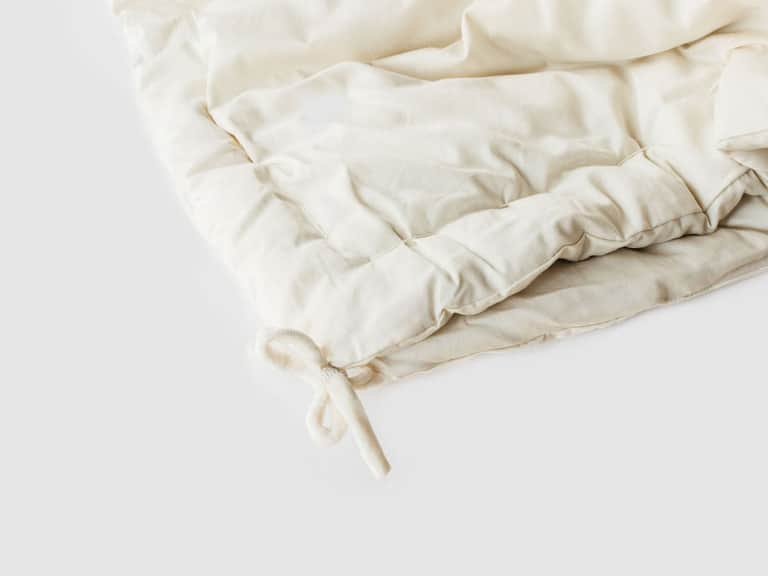
The All-Season Wool Comforter is designed for year-round use, offering warmth without relying on a heavy, dense feel. Its wool fill helps manage temperature and humidity, while a fabric shell contains the filling and provides a soft surface. Construction details, such as quilting, can help keep the wool evenly distributed.
Wool naturally absorbs moisture vapor and releases it into the surrounding air, which can help limit the clammy feeling associated with trapped heat. Its breathable insulation may complement sheets and pillows made from natural fibers. Care instructions vary by cover and fill, so checking the product label helps preserve comforter performance.
When comparing wool comforters, consider fill weight, outer fabric, stitching, and the intended warmth level. A lighter all-season design may suit bedrooms with moderate temperatures, while room conditions and personal preferences affect perceived warmth. Wool bedding can also be considered alongside organic mattresses or latex sleep surfaces as part of a layered sleep setup.
Wool comforters differ from synthetic and down alternatives in their fiber structure, moisture response, and care needs. Their insulating properties can support warmth while allowing airflow, making them relevant to temperature-conscious bedding choices. Understanding these characteristics helps identify how an all-season comforter may work with existing sheets, pillows, and bedroom climate.
 Bedding